Before You Sign the Lease: The Real Insurance Costs Every Aspiring Owner-Operator Must Understand
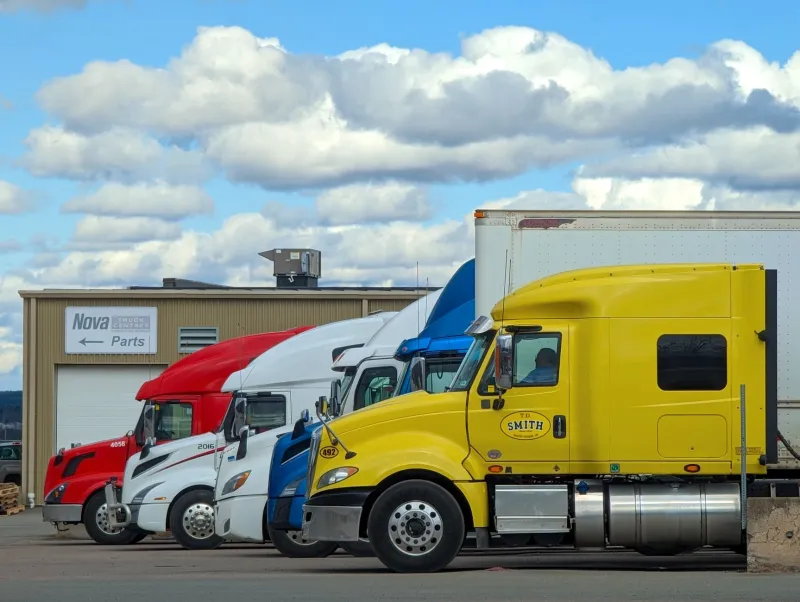
The promise of independence on the open road carries an undeniable appeal. For thousands of company drivers across the United States, the idea of owning their own rig, setting their own schedule, and controlling their own earnings represents the pinnacle of a trucking career. Yet the financial landscape of owner-operator life is considerably more complex than most recruitment materials suggest — and insurance is where that complexity hits hardest.
According to industry data from the American Trucking Associations, insurance costs represent one of the top three operating expenses for independent owner-operators, often ranking alongside fuel and equipment payments. Understanding those costs before committing to independence is not merely advisable — it is essential.
What Insurance Coverage Do Owner-Operators Actually Need?
Unlike company drivers, who operate under their carrier's commercial policy, owner-operators bear the full weight of their own coverage requirements. The mandatory and practical coverages typically include:
Primary Liability Insurance is federally mandated for any commercial motor vehicle operating in interstate commerce. The Federal Motor Carrier Safety Administration (FMCSA) requires a minimum of $750,000 in liability coverage for general freight haulers, while carriers transporting hazardous materials may face requirements as high as $5 million. Most brokers and shippers, however, expect a minimum of $1 million in primary liability before they will tender freight — making the federal minimums a floor, not a ceiling.
Physical Damage Coverage protects the truck itself against collision, theft, fire, and vandalism. This is not federally mandated, but any lender financing a truck purchase will require it. Premiums are calculated as a percentage of the vehicle's stated value, typically ranging from 2% to 4% annually.
Motor Truck Cargo Insurance covers the freight being hauled against loss or damage. Coverage limits and premiums vary significantly based on the commodity type, with electronics and pharmaceuticals commanding far higher rates than dry goods.
Bobtail and Non-Trucking Liability coverage addresses the gap that exists when a driver operates the truck outside of active dispatch — returning home after a delivery, for instance. Many owner-operators overlook this coverage until they experience a claim and discover their primary liability policy does not apply.
Occupational Accident Insurance functions as a substitute for workers' compensation, which owner-operators are generally ineligible to receive. It covers medical expenses, disability income, and death benefits resulting from work-related injuries.
The Numbers Behind the Premiums
So what does all of this actually cost? The honest answer is: it depends — and that variability is itself an important lesson.
A first-year owner-operator with a clean driving record hauling general freight in the Midwest might expect to pay between $12,000 and $18,000 annually for a comprehensive commercial insurance package. In high-cost states such as California, Florida, or New York — where litigation environments and accident rates influence underwriting — that same operator might pay $20,000 or more for equivalent coverage.
Driving history is the single most consequential factor in determining premiums. A driver with one at-fault accident in the past three years may see rates 30% to 50% higher than a driver with a clean record. Multiple violations or a serious incident such as a DUI can make obtaining coverage through standard markets nearly impossible, pushing operators into surplus lines or specialty markets where premiums escalate dramatically.
Equipment age also plays a meaningful role. Insurers view older trucks — particularly those manufactured before 2000 — as higher-risk assets. Physical damage coverage on an older unit may cost more relative to its value, and some carriers will decline coverage on trucks beyond a certain age entirely.
The commodity hauled introduces another layer of complexity. Flatbed operators hauling steel or lumber face different underwriting considerations than refrigerated carriers moving produce or dry van operators hauling consumer goods. Specialized freight — including oversized loads, hazmat, or automotive transport — carries its own distinct premium structures.
Lease-On Arrangements: A Double-Edged Sword
Many drivers entering the owner-operator world do so through lease-on arrangements with established carriers, which can simplify certain insurance requirements. Under a permanent lease agreement, the motor carrier's operating authority covers primary liability, and the driver may access the carrier's insurance programs — sometimes at group rates.
However, industry veterans caution against assuming this arrangement is always advantageous. Carrier-provided insurance programs may carry deductibles that fall entirely on the owner-operator, and the driver has little control over coverage terms or claims handling. Some carriers mark up insurance costs within their lease programs, effectively recapturing revenue through a mechanism that is easy to overlook when reviewing settlement statements.
Drivers considering a lease-on arrangement should request a complete itemization of all insurance-related deductions and compare those figures against quotes obtained independently from commercial brokers.
Strategies for Managing Insurance Costs
Experienced owner-operators and independent insurance brokers consistently point to several approaches for controlling premium expenses without sacrificing necessary protection.
Work with a broker who specializes in trucking. General commercial insurance agents may lack the market access and underwriting relationships specific to the transportation sector. A specialist broker can access multiple carriers simultaneously and negotiate more favorable terms based on a driver's specific profile.
Maintain meticulous records of your driving history. Ordering a copy of your Motor Vehicle Record (MVR) before approaching insurers allows you to identify and address any inaccuracies before underwriters review it. Disputed violations or resolved incidents that remain on a record can artificially inflate premiums.
Consider higher deductibles strategically. Increasing the deductible on physical damage coverage can meaningfully reduce annual premiums. This approach works best for drivers with sufficient operating reserves to absorb an out-of-pocket expense in the event of a claim — typically a minimum of three to six months of operating costs held in reserve.
Build your authority history carefully. Owner-operators running under their own authority face a seasoning period of one to three years during which premiums remain elevated. Maintaining a clean record during this window is the most reliable path to favorable long-term rates.
Bundle coverages when possible. Purchasing multiple lines — primary liability, cargo, and physical damage — through a single carrier or program often yields multi-policy discounts and simplifies the claims process.
The Conversation You Must Have Before Going Independent
Financial advisors who work with transportation professionals frequently observe that drivers underestimate their true operating costs when building their business case for independence. Insurance is consistently among the largest surprises.
The calculation is straightforward: if your current company driver position pays $75,000 annually with full benefits, your owner-operator operation must generate sufficient gross revenue to cover not only your personal income needs but also insurance premiums, fuel, maintenance, truck payments, permits, and the administrative costs of running a business. Insurance alone may represent $15,000 to $20,000 of that overhead — a figure that must be earned before a single dollar of personal income is realized.
That is not a reason to abandon the goal of independence. Thousands of owner-operators across the country build profitable, sustainable businesses every year. It is, however, a reason to approach the transition with clear eyes, accurate numbers, and the patience to build a financial cushion before making the move.
The road to independence is one worth considering. Just make sure you understand the full cost of the journey before you put it in gear.
For more resources on owner-operator careers, insurance guidance, and trucking industry news, visit oristrucking.com.